The Co-Optimized Silicon Stack
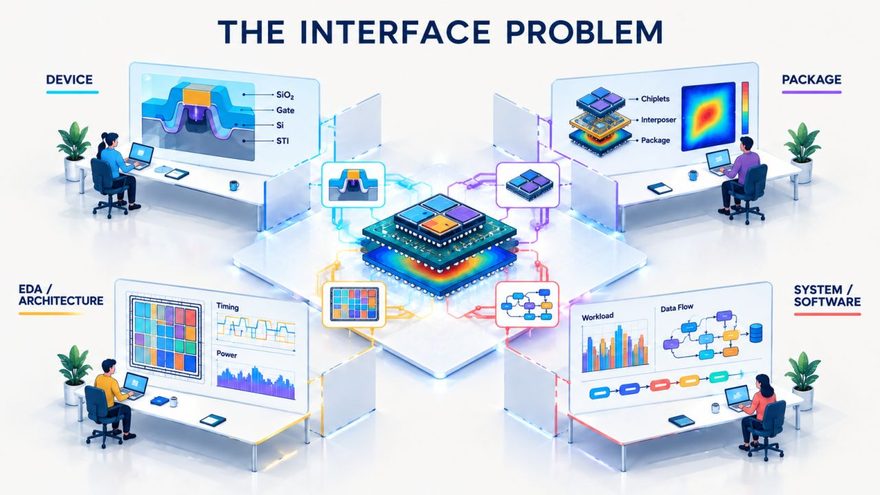
A series of posts, published weekly on LinkedIn from August 2026, on how chip technology may evolve over the next decade and how research, industrial capacity, institutions and policy shape who can build what. The common thread: no single device, EDA, packaging or manufacturing breakthrough will decide who leads, and the hardest task is to specify the interfaces between disciplines as rigorously as the disciplines themselves.
01 25 August 2026
Co-Optimizing the Silicon Stack
Why chip leadership over the next decade may depend less on the smallest transistor than on co-optimizing a stack that spans devices, EDA, packaging, manufacturing and policy. The introduction to the series.
02 1 September 2026
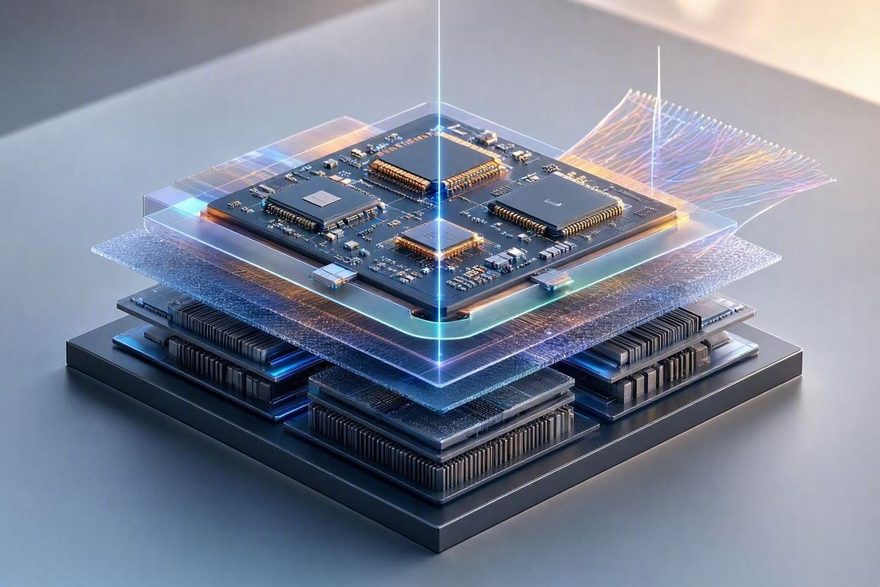
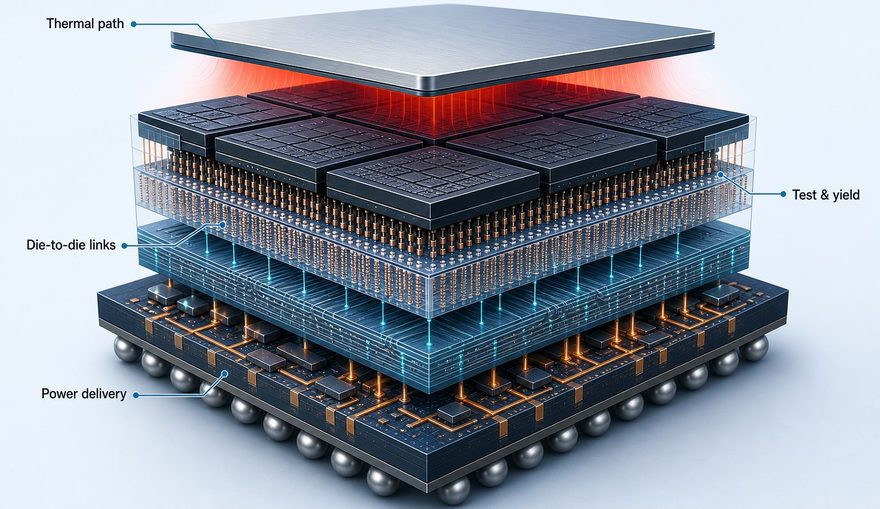
Trillion-Transistor Packaging
Trillion-transistor AI processors will come from 3D chiplet assemblies, hybrid bonding and UCIe links. The hard problems move to thermal coupling, power delivery, test and known-good-die validation.
03 4 September 2026
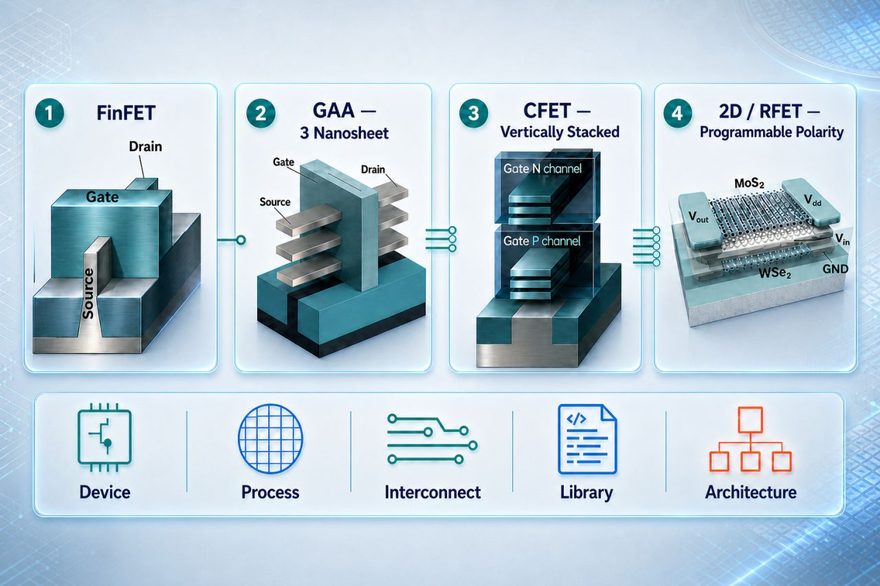
Advanced Devices for the Next Dimension
From gate-all-around nanosheets to forksheets, CFETs, 2D materials and reconfigurable FETs: each new device adds coupling that design flows must model, so it has to arrive with models, libraries and sign-off.
04 9 September 2026
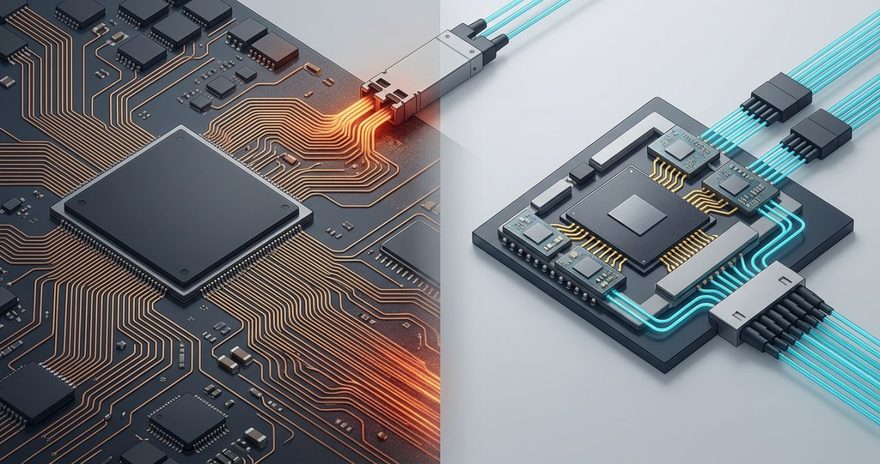
Silicon Photonics and Co-Packaged Optics
Co-packaged optics moves the optical engine into the package. Optics can supply the bandwidth; making it scale is now a question of multiphysics design, assembly yield and sign-off.
05 16 September 2026
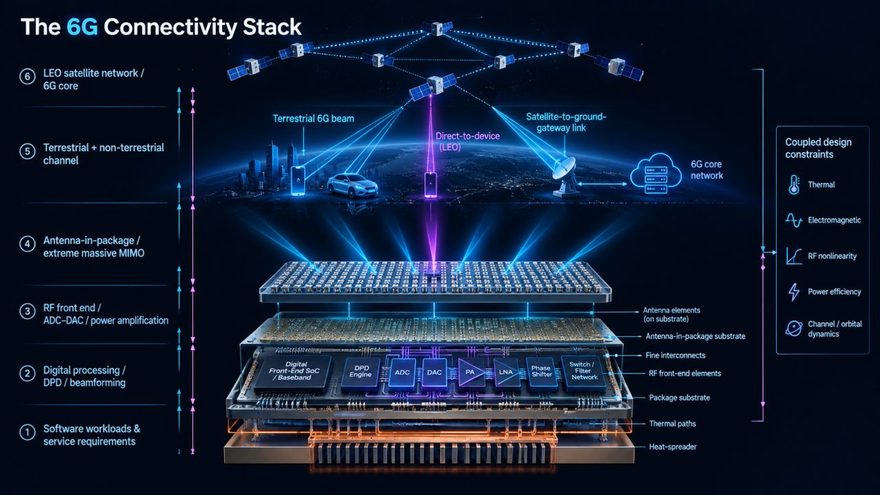
Connectivity: 6G and Satellite Chips
Very large antenna arrays in the 7–15 GHz band and satellite links force the whole radio chipset, from data converters to beamformers and power amplifiers, to be redesigned together.
06 22 September 2026
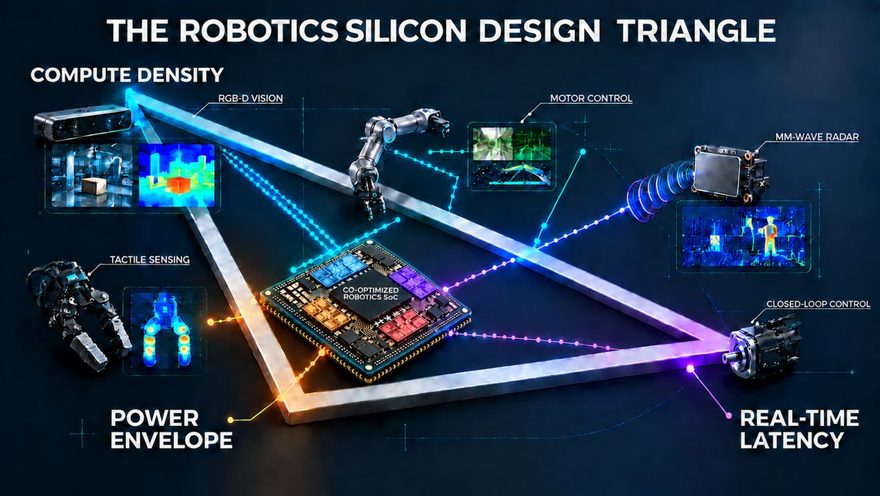
Robotics and Physical AI Silicon
Physical AI needs low-latency inference, sensor fusion and motor control on one die within a battery power budget, which pulls robotics silicon away from data-center accelerator design.
07 29 September 2026
Talent Shortages and Career Appeal
The chip-design skills gap is not only a recruitment problem: tools and curricula are built around disciplinary boundaries that today’s hardest design problems no longer respect.
08 10 October 2026
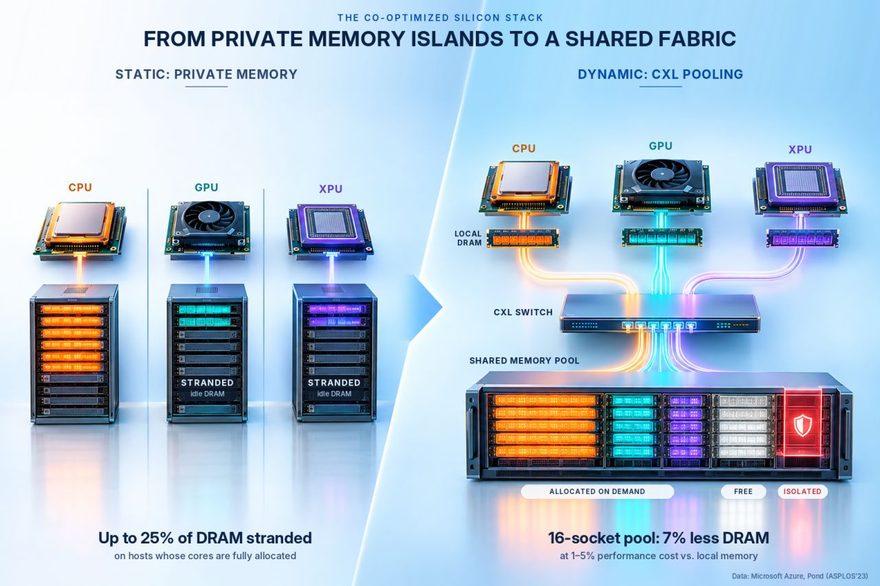
Memory as an Architectural Resource
CXL turns memory from a hidden hierarchy into a pooled, shared resource. Coherence, workload-aware allocation and fault containment become architectural questions.
09 19 October 2026
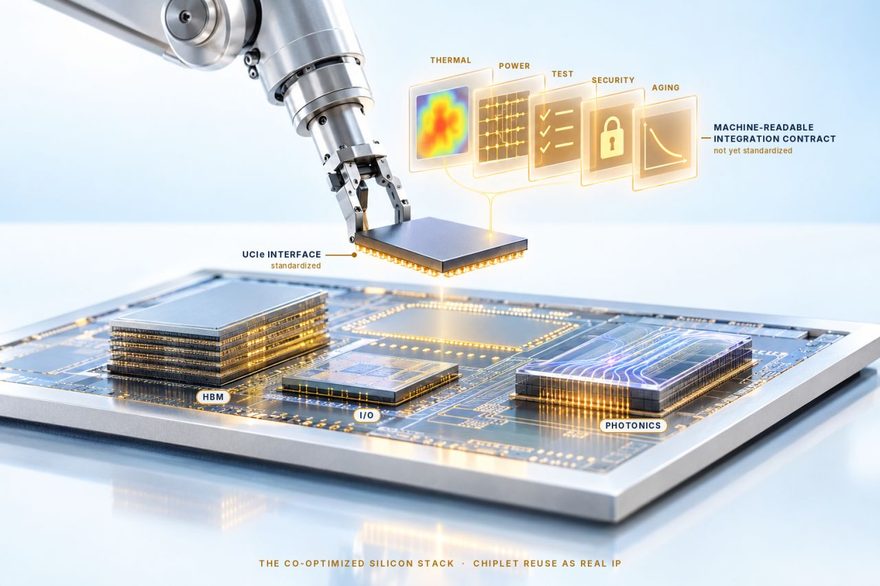
Chiplet Reuse as Real IP
A die that complies with UCIe is not yet reusable IP. A chiplet economy needs portable, machine-readable models of thermal, power, test, security and reliability behavior.
10 26 October 2026
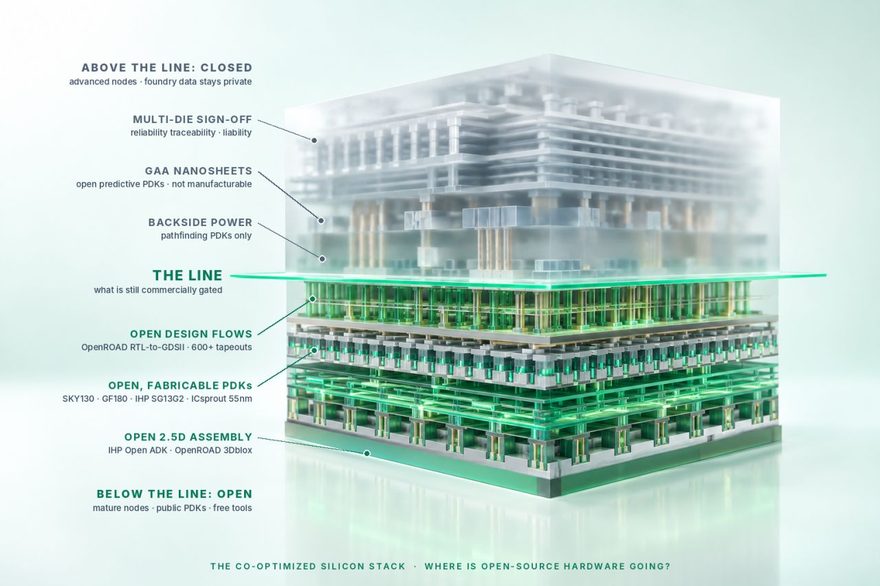
Where is Open-Source Hardware Going?
Open-source EDA flows and PDKs are now mature on established nodes. The interesting question is where the line of what remains commercially gated moves next, and who moves it.
11 2 November 2026
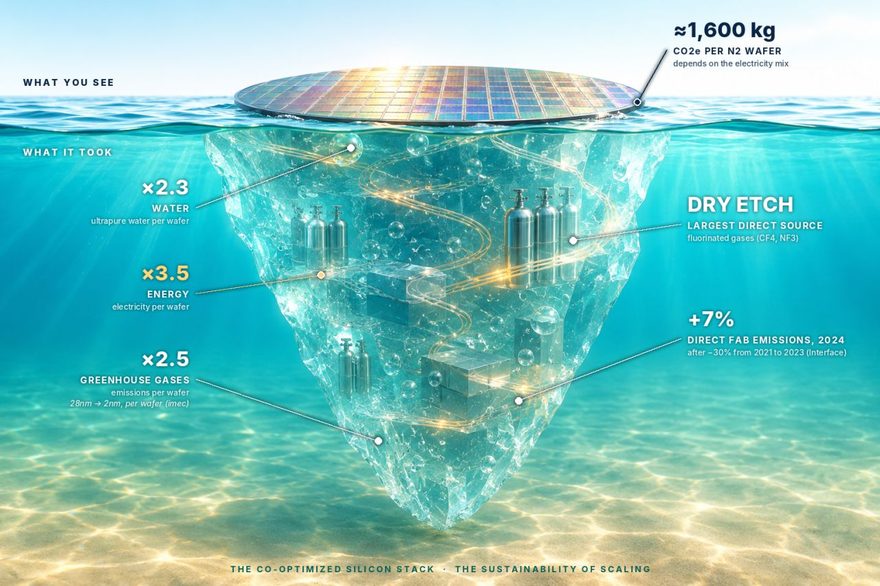
The Sustainability of Scaling
Each advanced node and 3D step adds energy, water and emissions per wafer. The embodied cost of scaling is becoming a constraint the industry can no longer simply optimize around.
12 9 November 2026
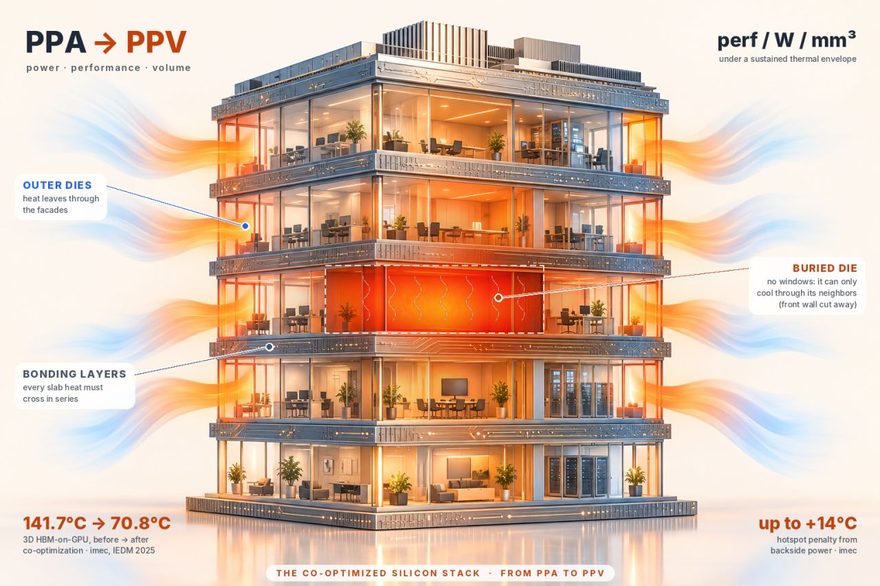
From PPA to PPV
In 3D systems, how much heat can leave each cubic millimeter limits a design more than cell area. Power, performance and volume should replace power, performance and area as the guiding metric.
13 15 November 2026
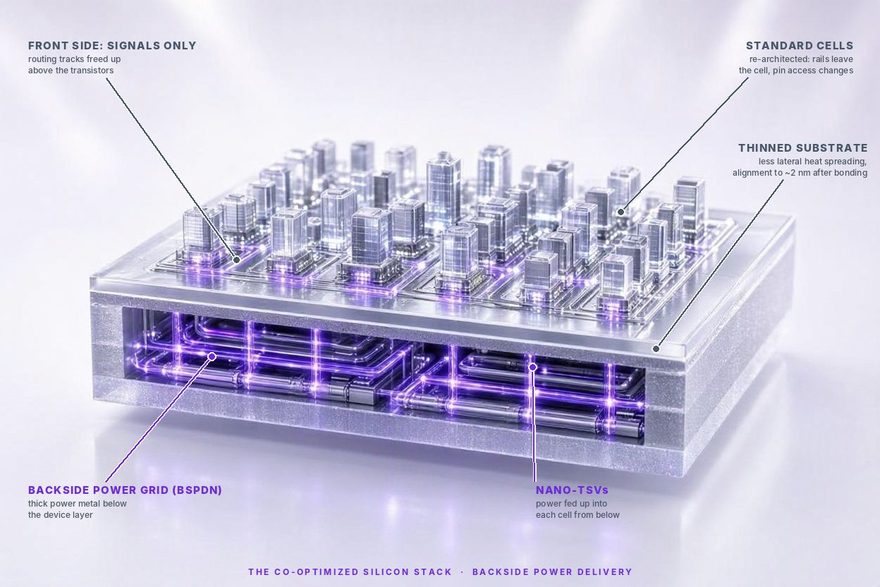
Backside Power Delivery
Backside power delivery has left the roadmap: it ships today and becomes a structural requirement with CFETs. Because it changes cell architecture, power-integrity sign-off and thermal behavior all at once, it should be treated as the first true two-sided design problem, with a shared electro-thermal model from cell library to package.
14 22 November 2026
Analog AI as Managed Imperfection
Analog in-memory computing will win specific kernels rather than replace digital. Its array-level efficiency is real, but conversion and compensation move much of the cost elsewhere; the realistic design is hybrid, and ferroelectrics could shrink the digital scaffolding, provided compact models make drift and variability a sign-off quantity.

Follow the series on LinkedIn, where each post has its own discussion.